Preventing Slip Hazards with Regular Parramatta Path Washes
Paths, driveways, steps and pool surrounds are among the most heavily used surfaces on any property, and they are also among the most common sites of slip-and-fall injuries. In Parramatta, a suburb with a humid subtropical climate, mature trees, busy foot traffic and a mix of older and newer developments, outdoor surfaces can become slippery faster than many property owners expect. Regular path washing is one of the most practical and cost-effective ways to reduce that risk, protect your paving and keep your property presentable.
Why Paths Become Slippery in Parramatta
Slipperiness on outdoor surfaces rarely comes from a single cause. It usually develops gradually as organic material, moisture and pollution build up on the surface. Understanding what is happening on your paths helps you decide how often cleaning is needed.
Moss, Algae and Mould
Western Sydney experiences warm summers, mild winters and periods of heavy rain, especially during east coast low systems and summer storms. Shaded and south-facing paths, areas beside fences, and sections beneath trees stay damp for long periods. This creates ideal conditions for algae, moss, lichen and mould. These growths form a thin, slick biofilm that can make concrete, pavers, tiles and sandstone extremely slippery, particularly when wet. Green or black discolouration is often the first visible sign, but a path can be hazardous before the colour change is obvious.
Leaf Litter and Organic Debris
Parramatta has many tree-lined streets and leafy backyards. Fallen leaves, flowers, seed pods and fruit break down on paving and leave behind tannin stains and a greasy residue. Compacted leaf matter also traps moisture against the surface, which accelerates the growth of algae and mould.
Oil, Grease and Traffic Film
Driveways, carports and paths near car parks collect oil drips, brake dust, tyre residue and general road grime. Outdoor dining areas, barbecue zones and commercial entrances can also build up grease and food residue. These contaminants reduce surface grip and can be especially hazardous when mixed with rain.
Dirt, Silt and Fine Sediment
After storms, fine silt and soil wash onto paths from garden beds and neighbouring surfaces. When it becomes damp, this layer behaves like a thin lubricant on smooth concrete or glazed tiles.
Where Slip Hazards Are Most Common
Some areas around a property deserve extra attention because the consequences of a fall are greater or the surface is more prone to moisture build-up.

- Front entry paths and steps: Visitors, delivery drivers and residents use these daily, often while carrying items.
- Driveways and sloped surfaces: Even a slight incline increases the risk of slipping when algae or oil is present.
- Pool surrounds and pool paths: Wet feet combined with biofilm and sunscreen residue make these high-risk zones.
- Patios, alfresco areas and decks: Shade, furniture and plant pots hold moisture and encourage growth.
- Side passages: These narrow, shaded areas rarely dry out and are often neglected.
- Commercial entrances and footpaths: Shopfronts, cafes, strata complexes and office buildings have a duty to maintain safe access for the public.
The Legal and Insurance Side of Slip Hazards
Property owners, landlords, strata bodies and businesses in New South Wales have responsibilities to take reasonable care that people on their premises are not exposed to foreseeable risks. Under the Civil Liability Act 2002 (NSW) and general occupiers' liability principles, a property owner may be held responsible if a hazard they knew about, or should reasonably have known about, causes injury.
For workplaces, the Work Health and Safety Act 2011 (NSW) requires that businesses, so far as is reasonably practicable, provide and maintain safe premises, including safe entry and exit. Slips, trips and falls remain one of the leading causes of workplace injury across Australia, so regular maintenance of walkways is a standard part of a sound risk management approach.
Strata managers and body corporate committees in Parramatta's many apartment developments should also be aware that common property paths, driveways, ramps and pool areas fall within their maintenance obligations. Keeping a record of scheduled cleaning, inspections and any remedial work can be valuable if an incident ever needs to be reviewed by an insurer.
How Regular Path Washing Reduces Slip Risk
Professional path washing removes the layers of contamination that cause surfaces to lose traction. When done properly, it restores much of the surface's natural texture and grip, and it does so without damaging the material underneath.
High-Pressure Cleaning
Pressure washing uses a concentrated stream of water to dislodge dirt, moss, algae, grease and compacted debris. For hard-wearing surfaces such as concrete driveways and exposed aggregate, it is usually the most efficient method. Experienced operators adjust pressure, nozzle type and distance to suit the surface, because excessive pressure can etch concrete, erode pointing between pavers or strip sealant.

Soft Washing
Soft washing uses lower pressure combined with biodegradable cleaning solutions that break down organic growth at the root. It suits delicate surfaces such as sandstone, limestone, older pavers, timber decking and painted or sealed finishes. Because it treats the cause of the growth instead of just blasting away the surface layer, it can also slow the return of algae and mould.
Surface Treatments and Degreasing
Oil and grease often need a dedicated degreaser applied before rinsing. Where stains are stubborn, a targeted treatment helps lift contaminants out of porous surfaces rather than pushing them deeper.
How Often Should Paths Be Washed?
The right frequency depends on how much shade, moisture, tree cover and foot traffic an area receives. As a general guide for Parramatta properties:
- Shaded or high-moisture areas: Clean every 6 months, or sooner if green or black growth becomes visible.
- Standard residential paths and driveways: Clean once a year, ideally before the wetter months.
- Pool surrounds and alfresco areas: Clean every 6 to 12 months, with extra attention at the start of summer.
- Commercial entrances, cafes and strata common areas: Clean every 3 to 6 months, or on a schedule matched to customer volume and risk assessments.
- After major storms or heavy leaf fall: Inspect and spot-clean as needed, since debris and silt can build up quickly.
Practical Tips Between Washes
Professional cleaning works best when combined with simple routine maintenance. A few habits can extend the time between washes and keep surfaces safer day to day.
Sweep paths regularly to remove leaves, soil and debris before they break down. Trim back overhanging branches and dense shrubs to allow sunlight and airflow to reach shaded paving. Check that downpipes, gutters and drainage points are clear so that water does not pool on or run across walkways. Fix leaking taps, irrigation overspray and air conditioner drip lines that keep sections of paving constantly damp. Clean up oil, food or spilled drinks promptly, and use a suitable absorbent product https://kyleraowx085.quillnesty.com/posts/exposed-aggregate-cleaning-protecting-texture-and-finish on fresh oil spills before they soak in.
It is also worth checking for uneven pavers, cracks and lifted edges while you are cleaning. A trip hazard can be just as dangerous as a slippery surface, and washing often makes defects easier to spot.
Sealing and Anti-Slip Treatments
After a thorough clean, some surfaces benefit from additional protection. Penetrating sealers can reduce water absorption and make it harder for algae and stains to take hold. It is important to choose a product suited to the surface, because some glossy sealers can actually make paving more slippery when wet. Where grip is a particular concern, such as on ramps, steps or pool decks, anti-slip additives or dedicated anti-slip coatings can increase traction. Australian Standard AS 4586 classifies the slip resistance of new pedestrian surface materials, and it can be a useful reference when selecting products for high-risk areas.
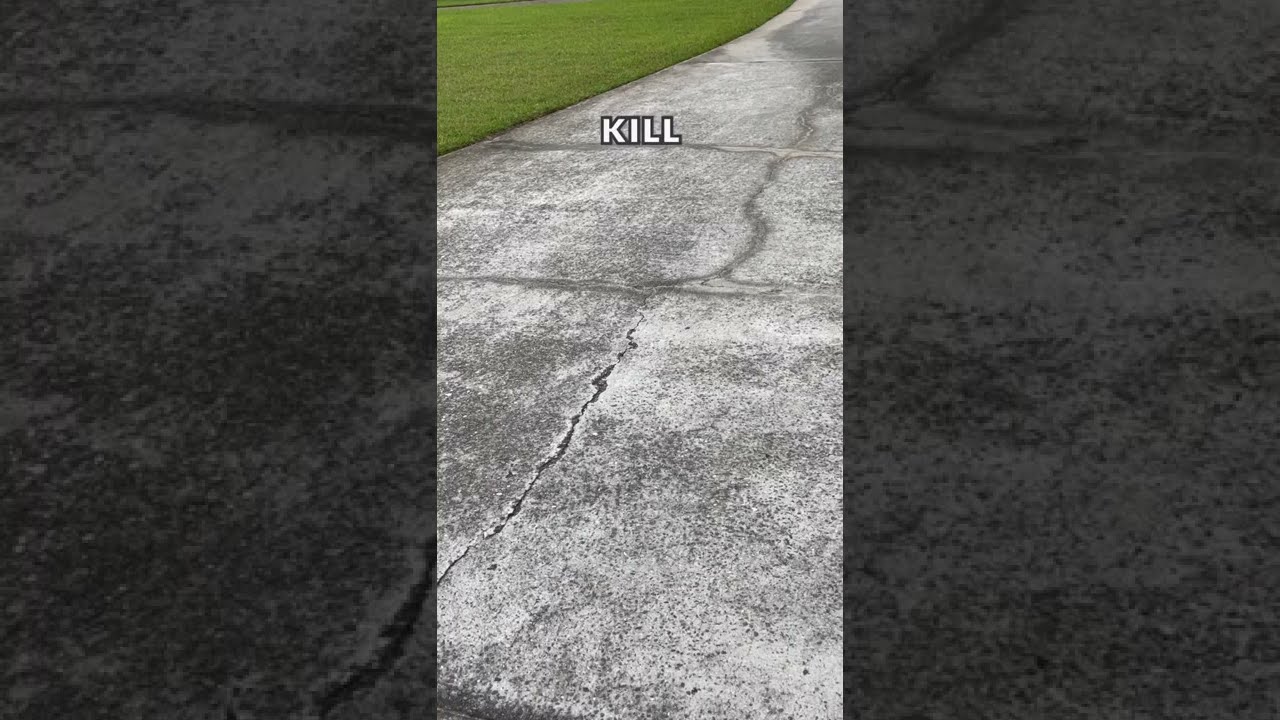
Sealing should be carried out only once the surface is completely clean and dry. Applying sealer over residual algae or dirt can trap contamination and shorten the life of the finish.
Environmental and Water Considerations
Responsible path washing takes into account the local waterways. Parramatta sits on the Parramatta River catchment, and runoff from cleaning can carry sediment, oils and detergents into stormwater drains that flow directly to the river without treatment. Reputable cleaners use biodegradable products, contain or capture wastewater where required, and avoid washing contaminants into drains. Many operators now use water-recovery systems and efficient equipment to reduce water use, which is particularly relevant given that water efficiency remains a priority across Greater Sydney in 2026 and beyond.
Choosing a Path Washing Service in Parramatta
When selecting a provider, look for a few key indicators of quality and professionalism:
Ask whether they hold current public liability insurance and whether their team is trained in safe equipment use. Check that they can recommend different methods for different materials rather than applying the same approach to everything. Confirm how they manage wastewater and chemical use, and whether they can supply before-and-after photos or a written quote that clearly lists the areas included. For commercial and strata clients, ask about scheduled maintenance plans and documentation that supports your risk management records.
The Wider Benefits of Regular Path Washing
Safety is the most important reason to keep paths clean, but it is not the only one. Regular washing also extends the life of concrete, pavers and tiles by preventing long-term staining and surface deterioration. It improves street appeal and can support property value, which is helpful if you plan to sell or lease in 2027 or beyond. Clean paths also reduce the amount of dirt tracked indoors, and they make it easier to identify cracks, lifting pavers or drainage problems before they become costly repairs.
Final Thoughts
Slippery paths are a preventable hazard. In a climate like Parramatta's, where humidity, rain, shade and leaf litter combine to encourage biological growth, a consistent washing schedule is a sensible part of owning or managing any property. By understanding what makes surfaces slippery, matching the cleaning method to the material, and following up with sensible day-to-day maintenance, you can significantly reduce the risk of falls for family members, tenants, customers and visitors. Scheduling regular path washes is a small investment compared with the potential cost of an injury, a liability claim or premature surface replacement.
Parramatta Pressure Cleaning
(02) 9538 7943